

His Wunderkammer
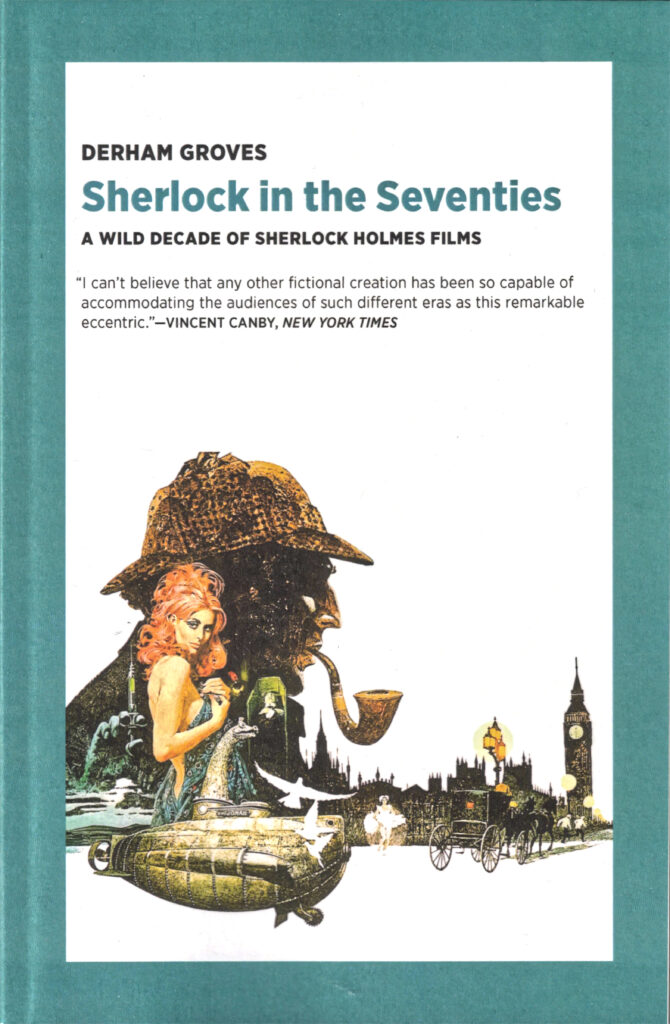
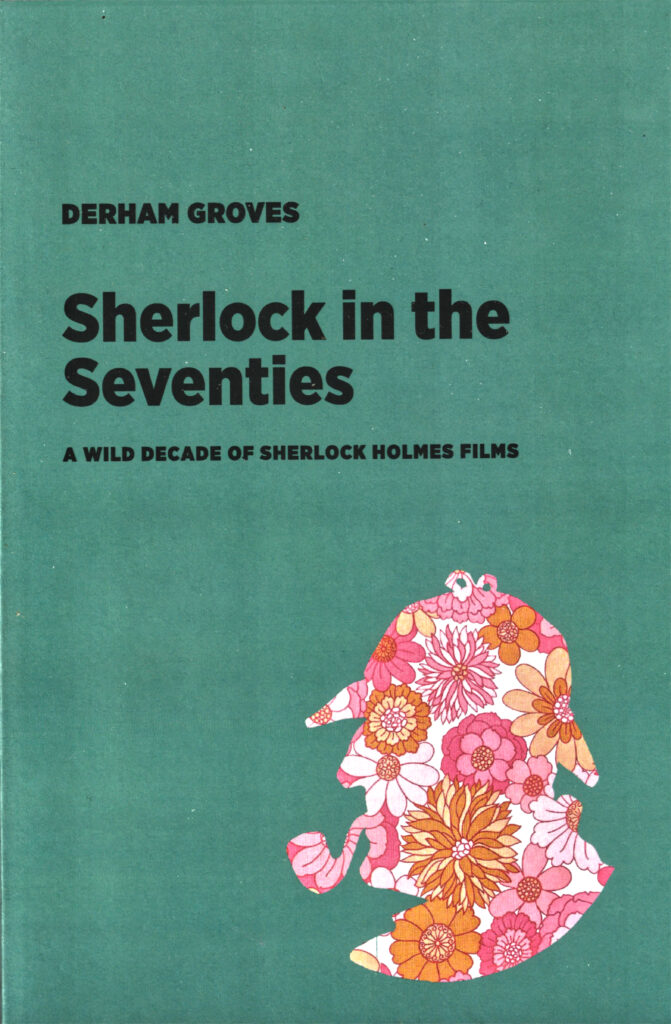
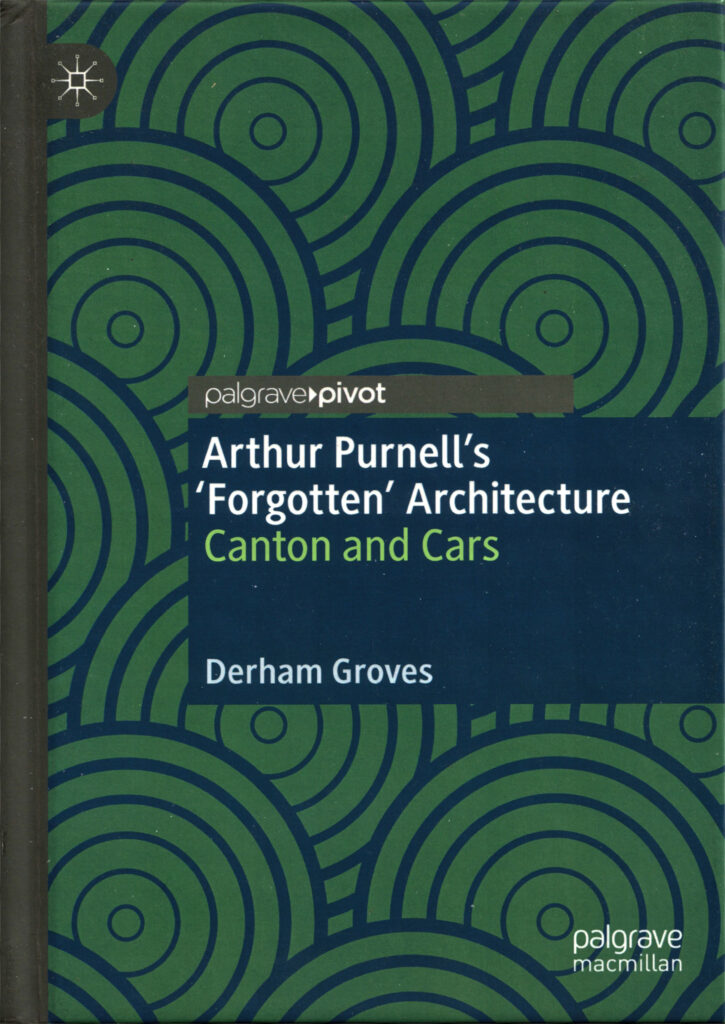
My book on 1970s Sherlock Holmes films. Like the decade itself, they’re pretty interesting. The second edition cover (2026, top) and the first edition cover (2023, bottom). Published by The Visible Spectrum.
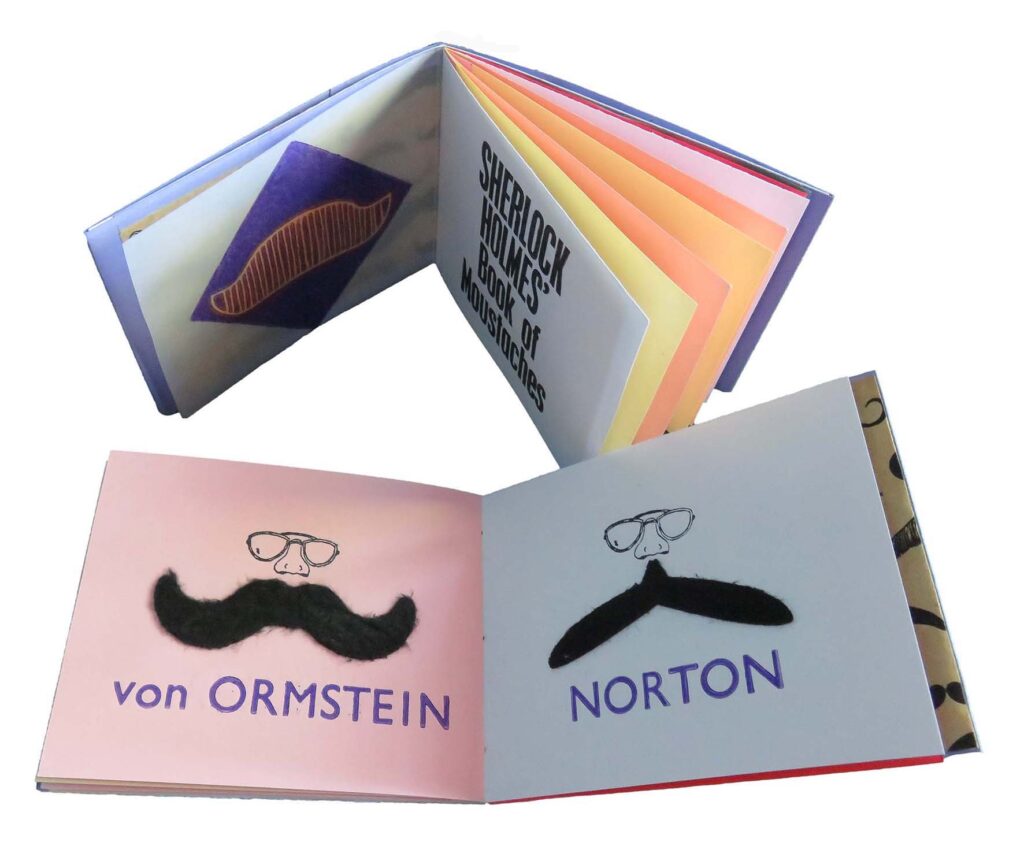
’Sherlock Holmes’ Book of Moustaches’ is one of my favourites. Written, printed letterpress, and hand bound by me (the Black Jack Press), the A6-sized book consists of the names and the moustaches of characters from the Sherlock Holmes stories by Sir Arthur Conan Doyle. I bought the joke moustaches on a card from a $2 shop. One of the characters is Irene Adler, but instead of a moustache, she has a vintage razor blade, purchased in a job lot from eBay (not shown). There is a large, cutout, “hairy” cloth brown moustache across the purple (for “Movember”) front and back covers (also not shown). The conceit is that when you are looking at the little book like Foo/Kilroy, it looks like you also have a giant moustache! Edition of 16 copies only. (Also, see this older, very bizarre post: https://derhamgroves.com/129-2/.)
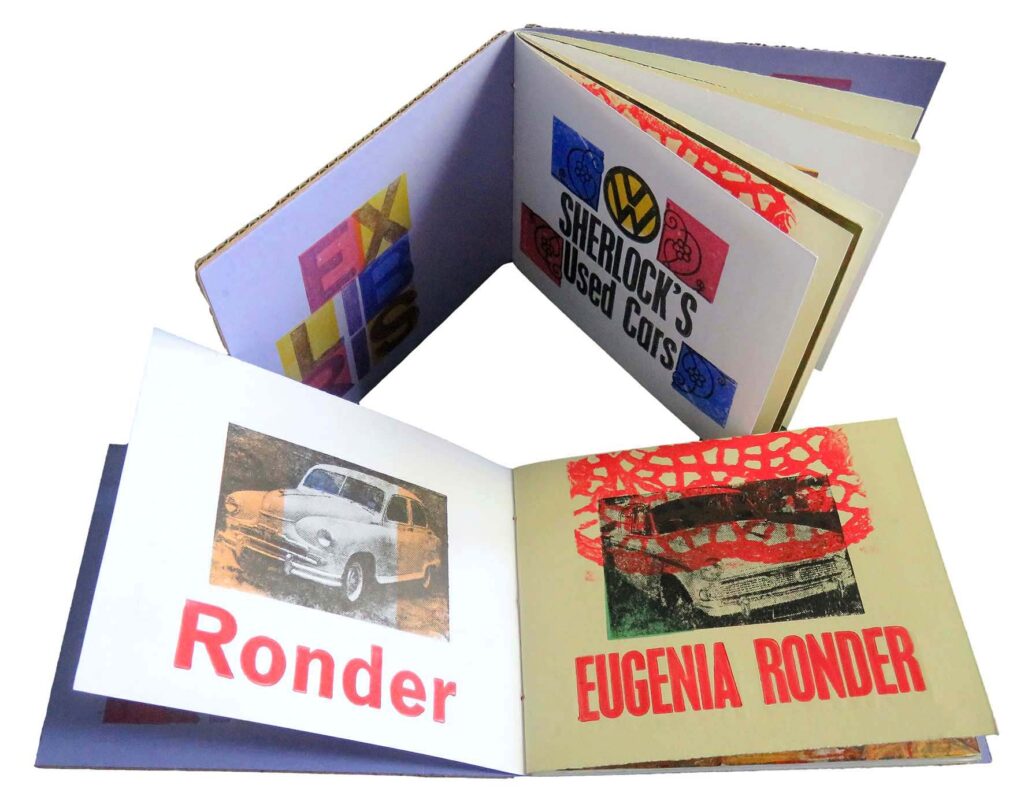
’Sherlock’s Used Cars’ was written, printed letterpress, and hand bound by Derham (the Black Jack Press). The A6-sized little book contains the names of characters from Conan Doyle’s stories along with an image of their (imagined) cars. The printing plates, originally used for printing newspaper ads for used car yards from the late 1960s, were purchased in a job lot from eBay. There are also pages of multiple rubber stampings of cars, as well as two business cards from Sherlock-sounding used car yards, tipped into the book, while on the back cover is a block of four Australia Post stamps of classic Australian cars (all not shown). Edition of 21 copies only.
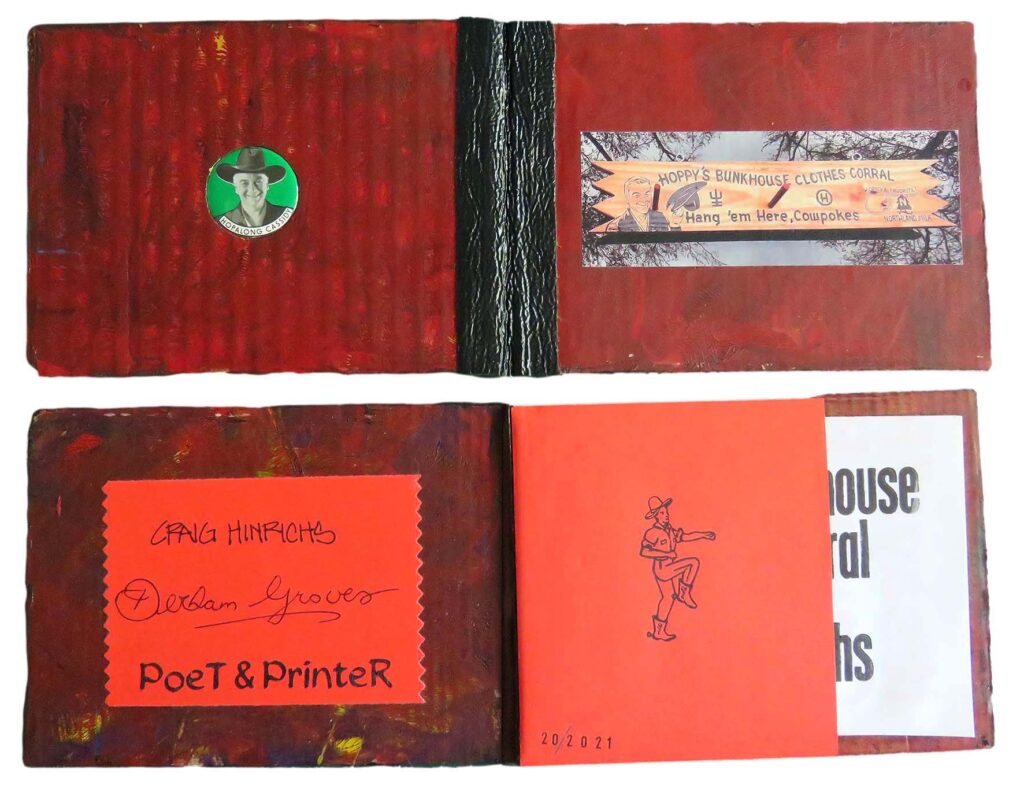
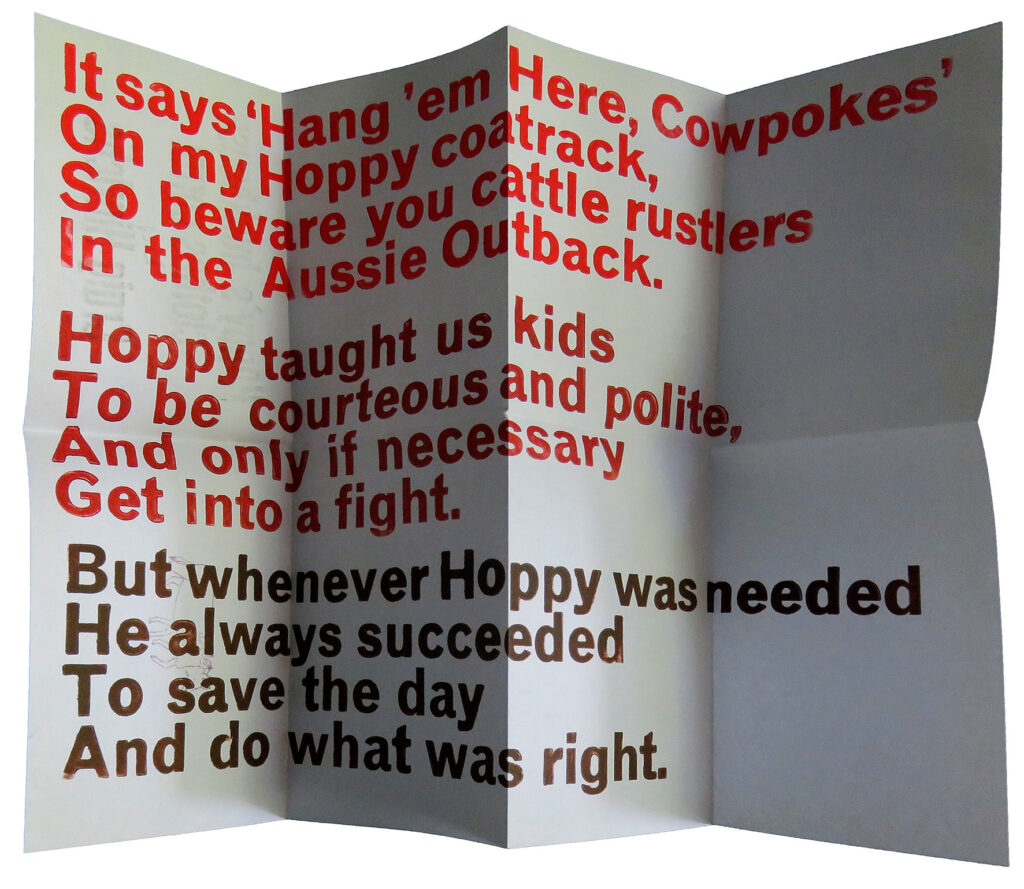
Written by Craig and printed and bound by Derham (the Black Jack Press). The A3-sized broadsheet, printed letterpress in four colours—red, tan, brown, and black (on the back)—was folded and slid inside a rubber stamped pocket stuck to the inside back cover. A letterpress tag signed by Craig and Derham was stuck to the inside front cover. A photocopy of the 1950s Hopalong Cassidy children’s clothes rack, owned by Craig and the subject of his poem, was stuck to the outside front cover. And a Hopalong Cassidy badge—one of a job lot purchased cheaply on eBay—was set into the outside back cover. Finally, the covers were made from recycled cardboard, painted red using a gel press, with a recycled black vinyl spine. Edition of 20 copies only. (Below: Derham with Hopalong Cassidy’s pair of six-shooters at the American Heritage Centre, University of Wyoming, Laramie.)

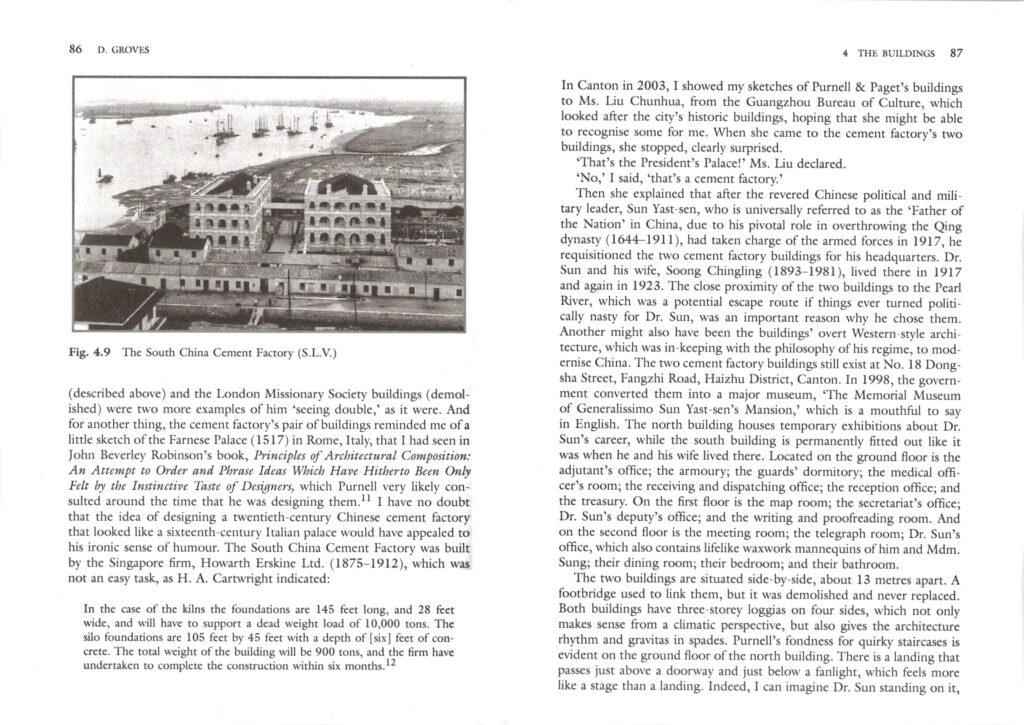
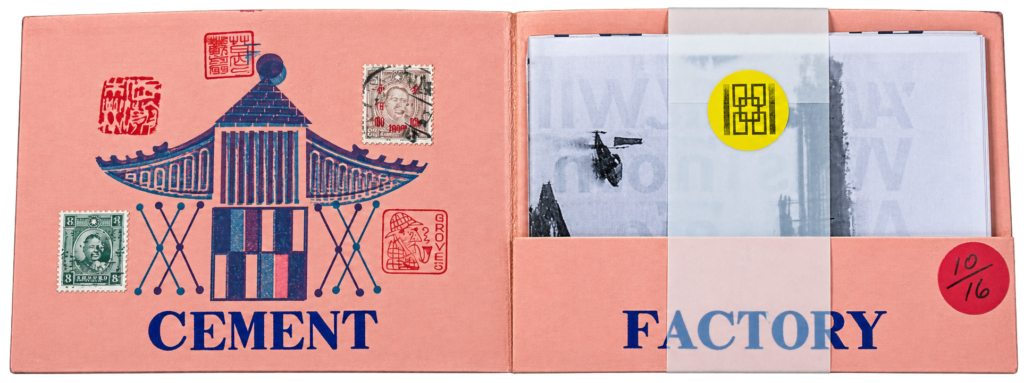
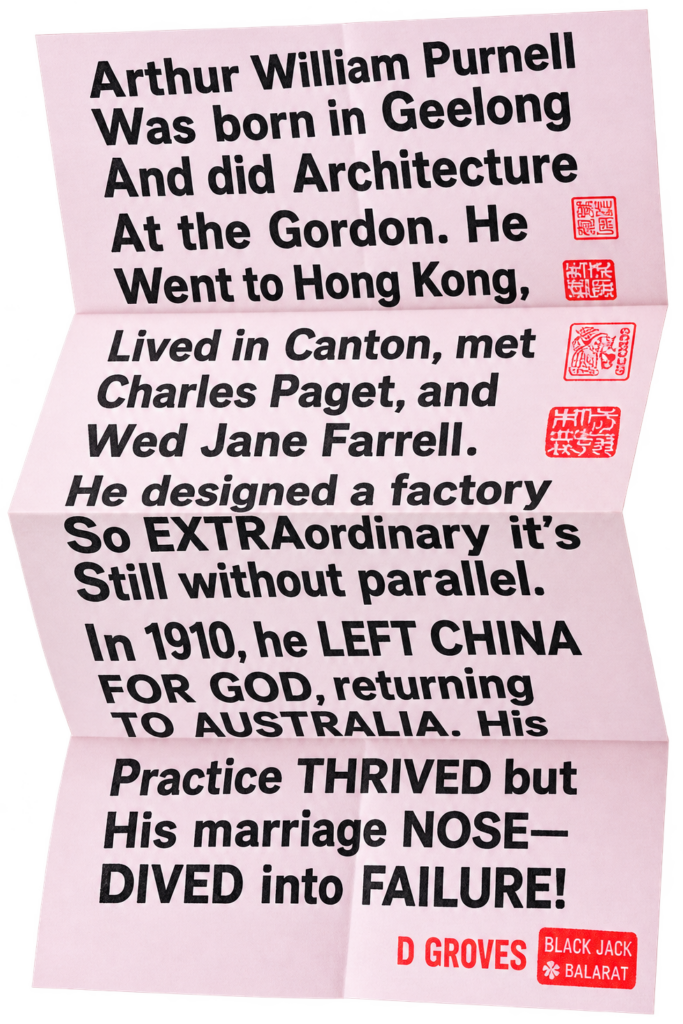
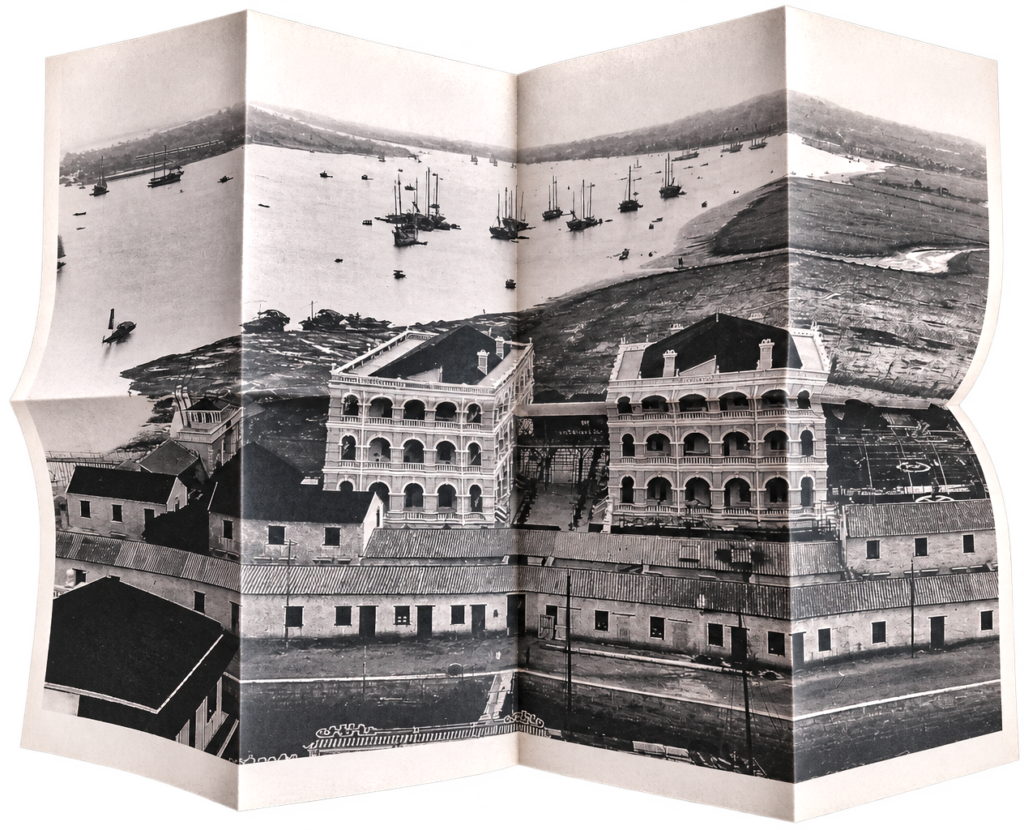
Pictured is Arthur Purnell’s marvellous South China Cement Factory (1909) in Guangzhou, China. In 1917, it was requisitioned by Dr Sun Yat-Sen as his official residence and political headquarters. Before I visited Guangzhou in 2003, searching for Purnell’s buildings in China, the Chinese authorities were unaware of who designed it. It is no longer a cement factory, but a major museum dedicated to Dr Sun, universally heralded as the Father of Modern China, and Purnell has been recognised as a “starchitect” in Southern China—and deservedly so.
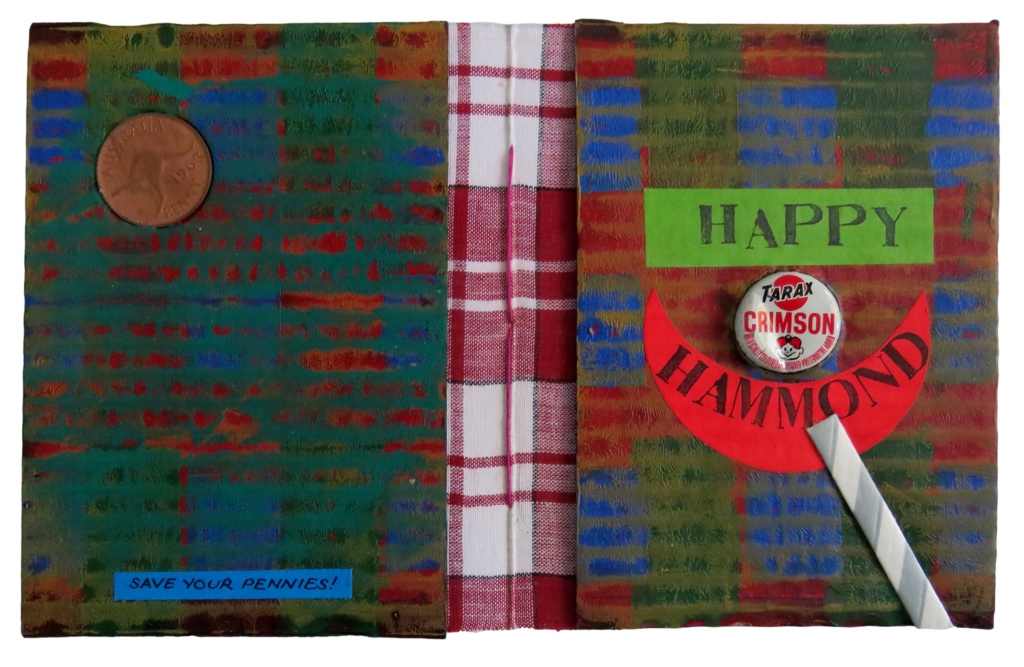
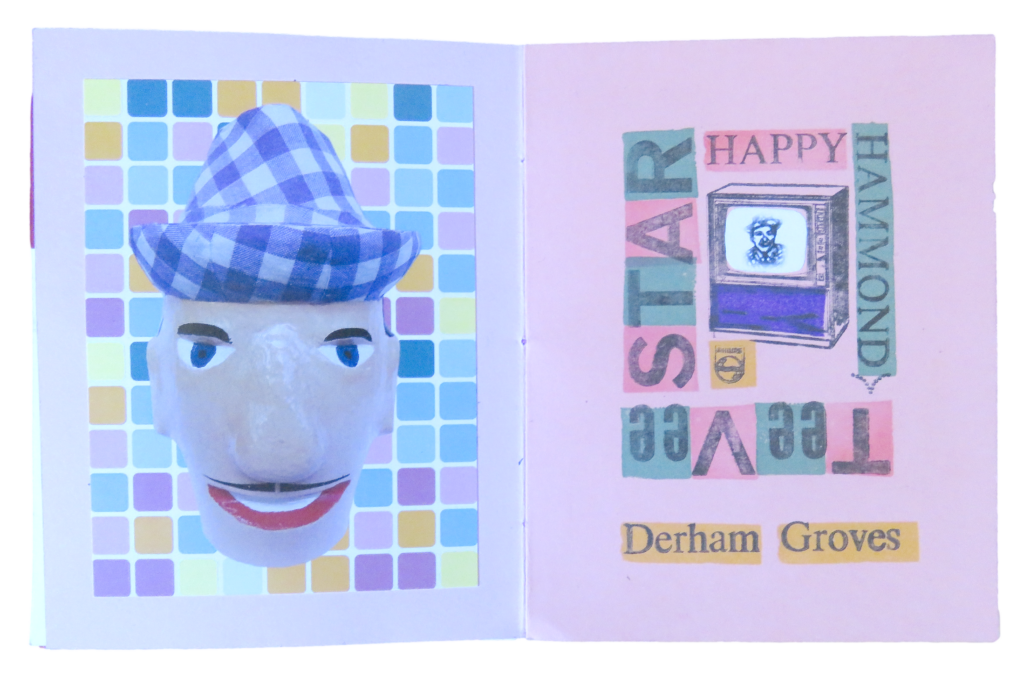
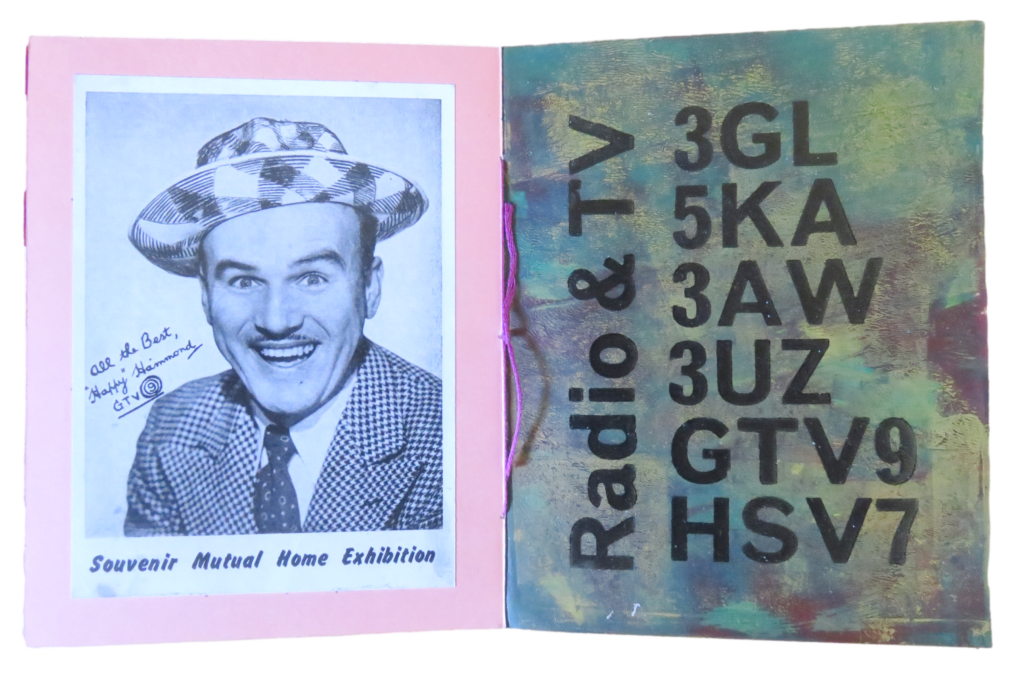
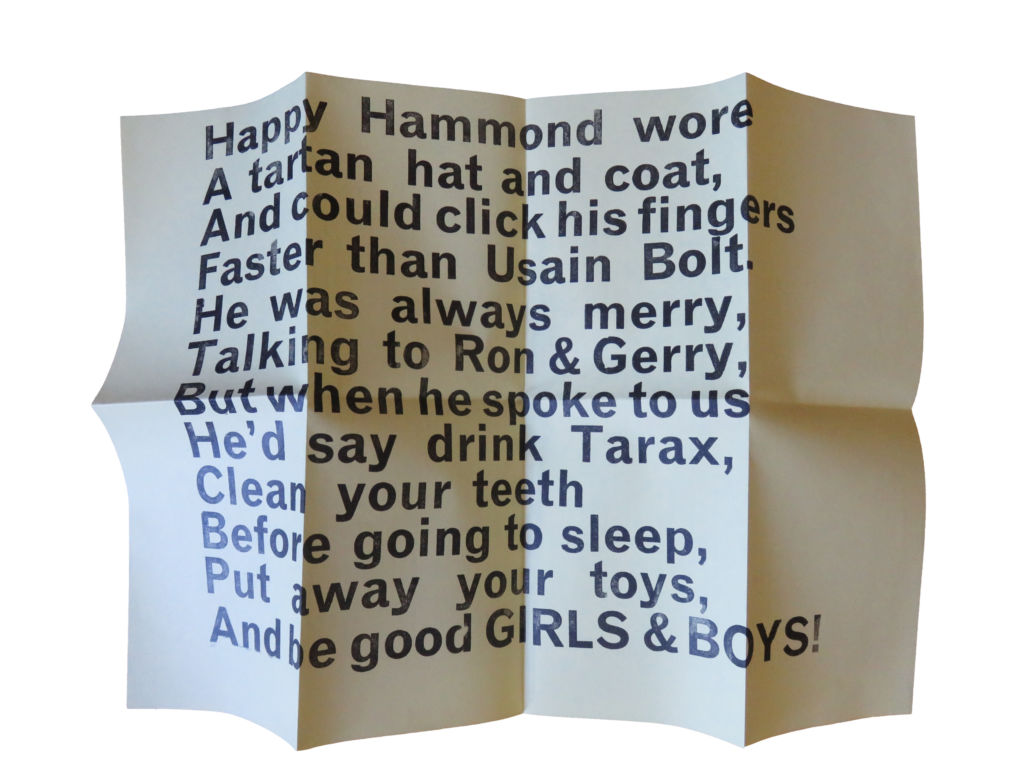
Written, letterpress printed, and hand bound by Derham (the Black Jack Press). The A3-sized broadsheet is folded and slid inside a letterpress printed pocket attached to the inside back cover (not shown here). An Australian 1963 penny and an old Tarax soft drink bottle top—job lots of both purchased cheaply on eBay—are set into the back and front covers, respectively. Some ephemera has been tipped in later, including a photocopy of an old Happy Hammond fan card. Edition of 16 copies only.
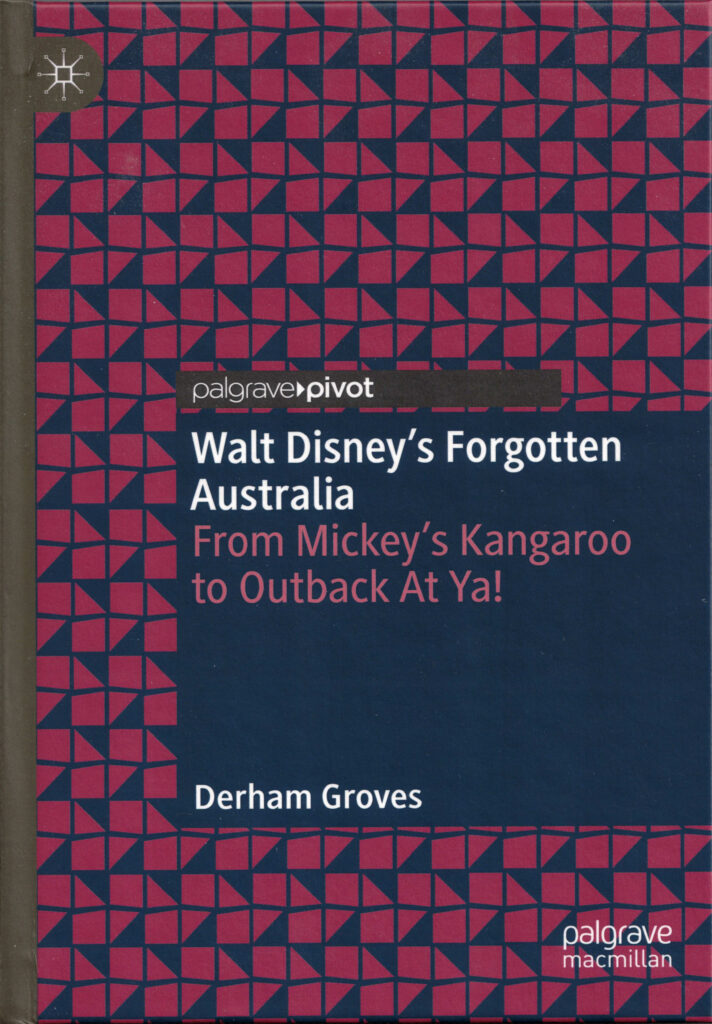
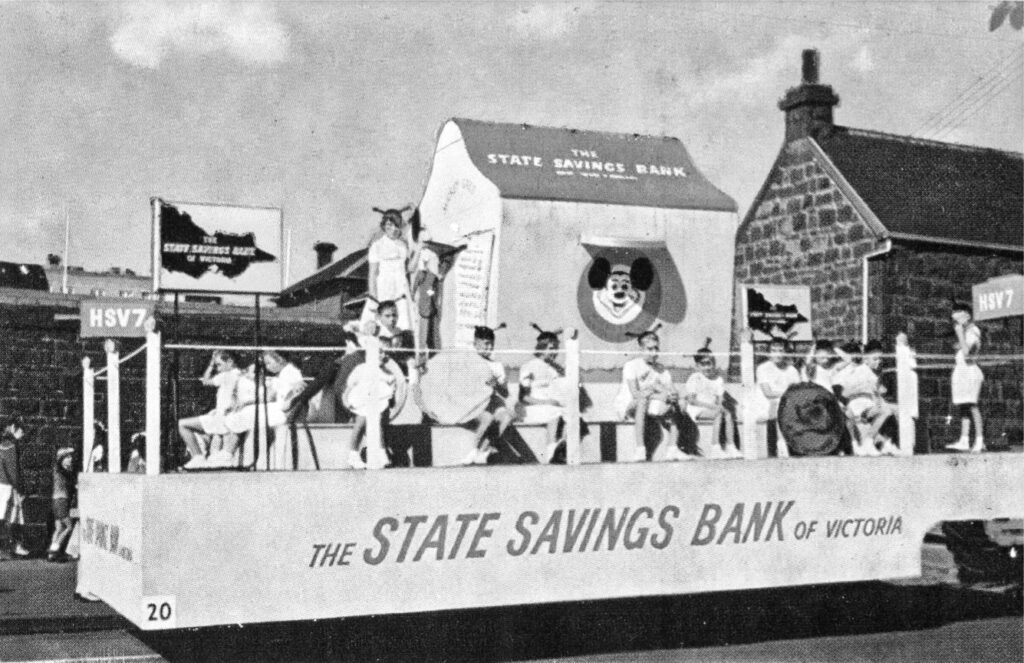
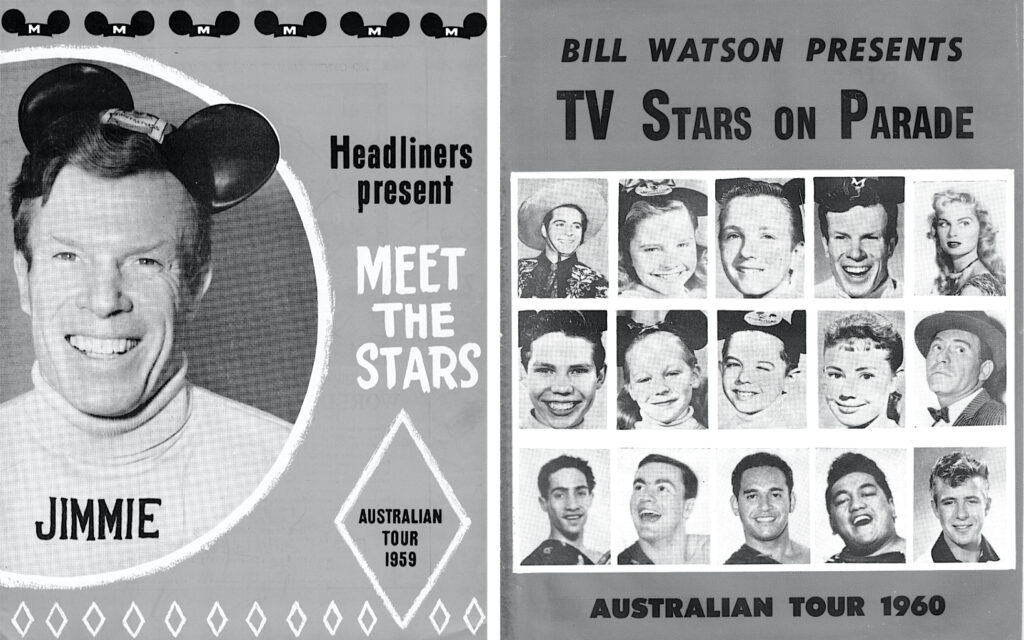
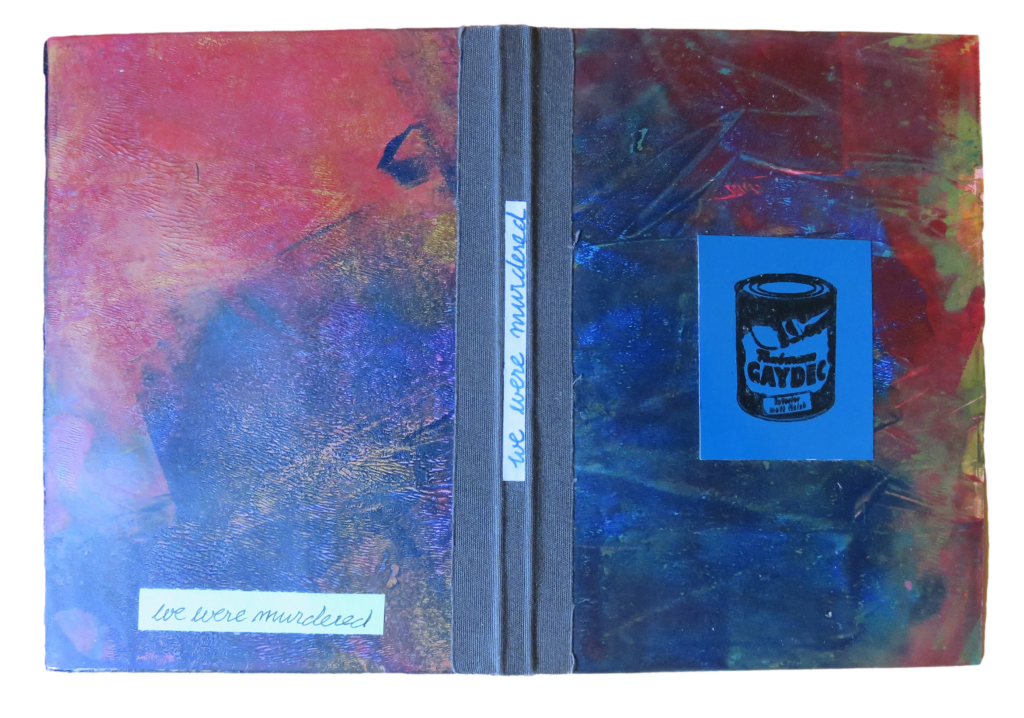
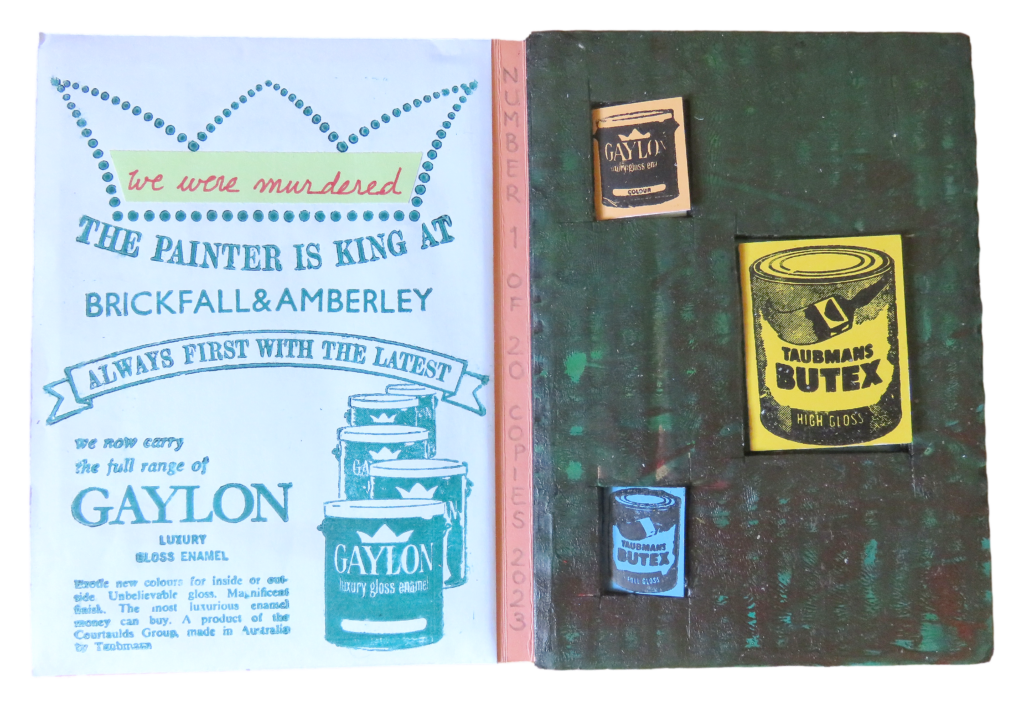
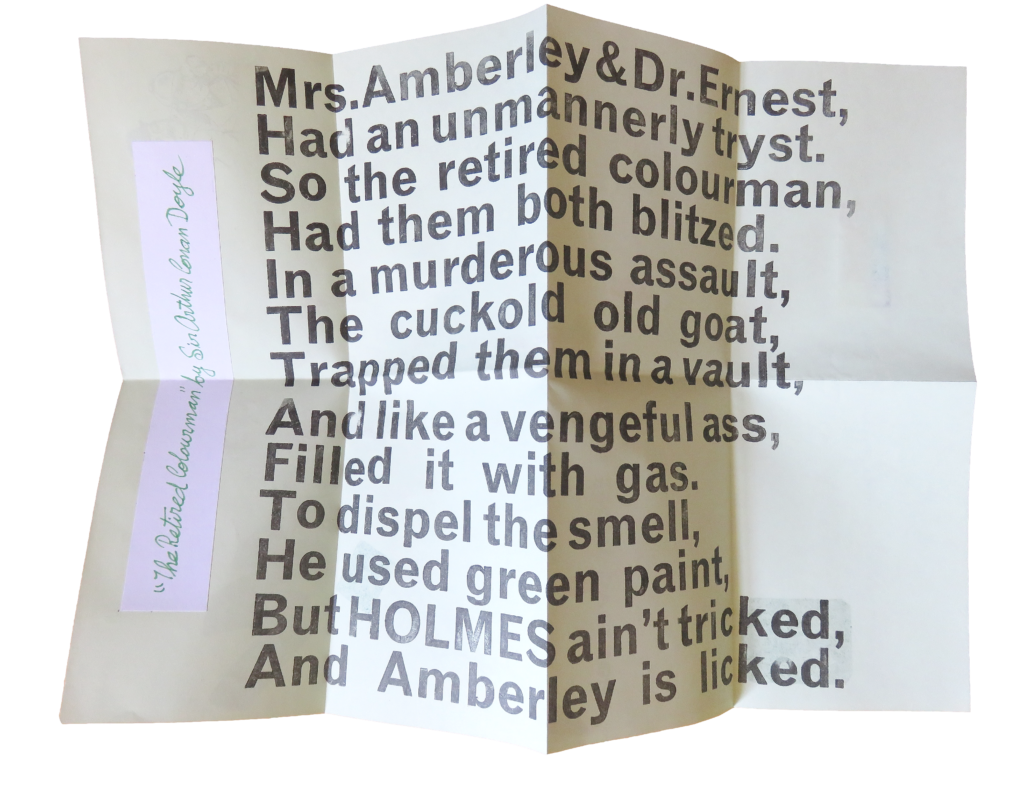
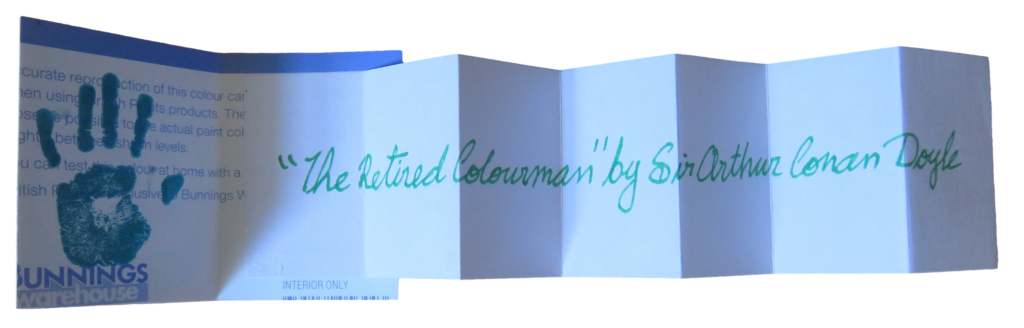
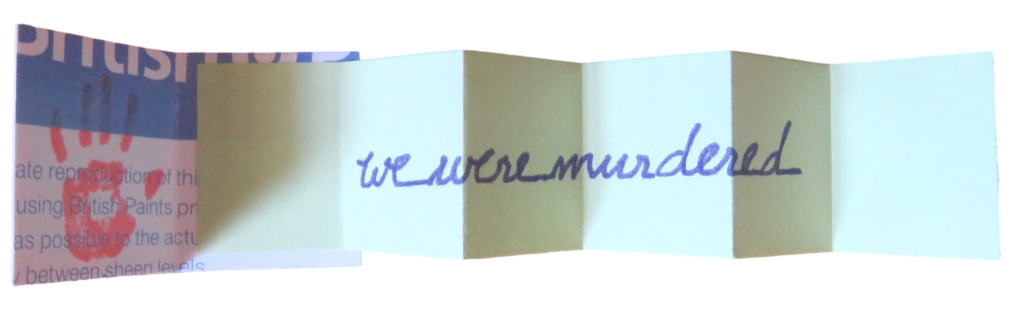
Written, printed letterpress, and hand bound by Derham (the Black Jack Press) with handwritten paper strips by Jan (a former amateur printer—one of best!). The paper strips are concertina-folded, glued inside letterpress printed folded covers made from paint swatches from Bunnings, and placed in recycled cardboard “pigeon holes” inside the book, painted dark green, the same colour as Josiah Amberley’s vault. The A3-sized broadside is folded and slid inside a letterpress printed pocket attached to the inside front cover. Edition of 20 copies only.
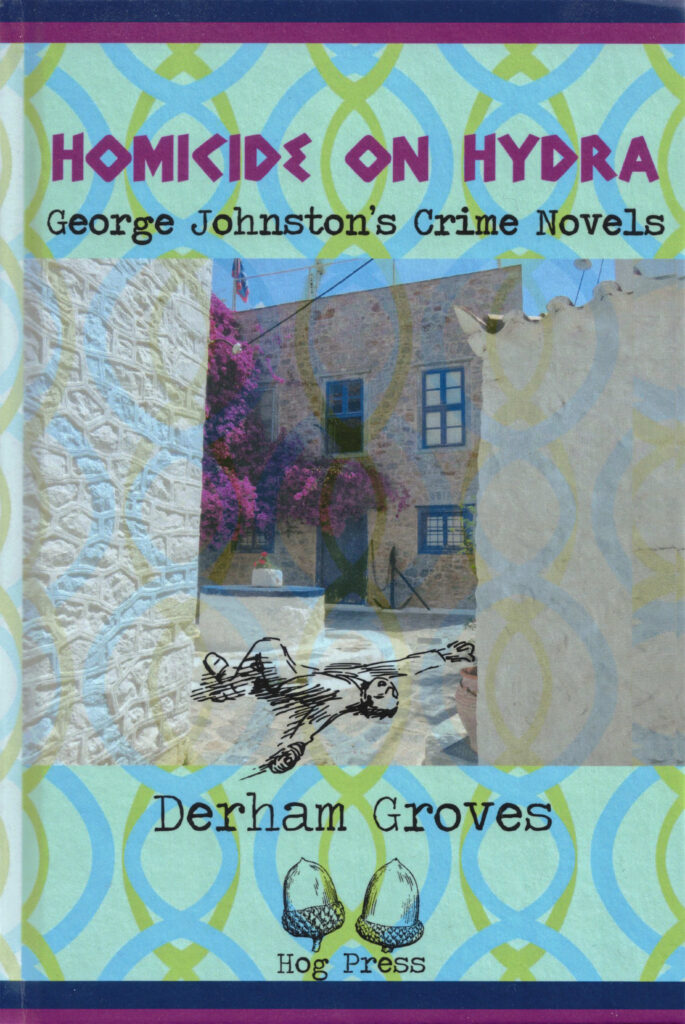
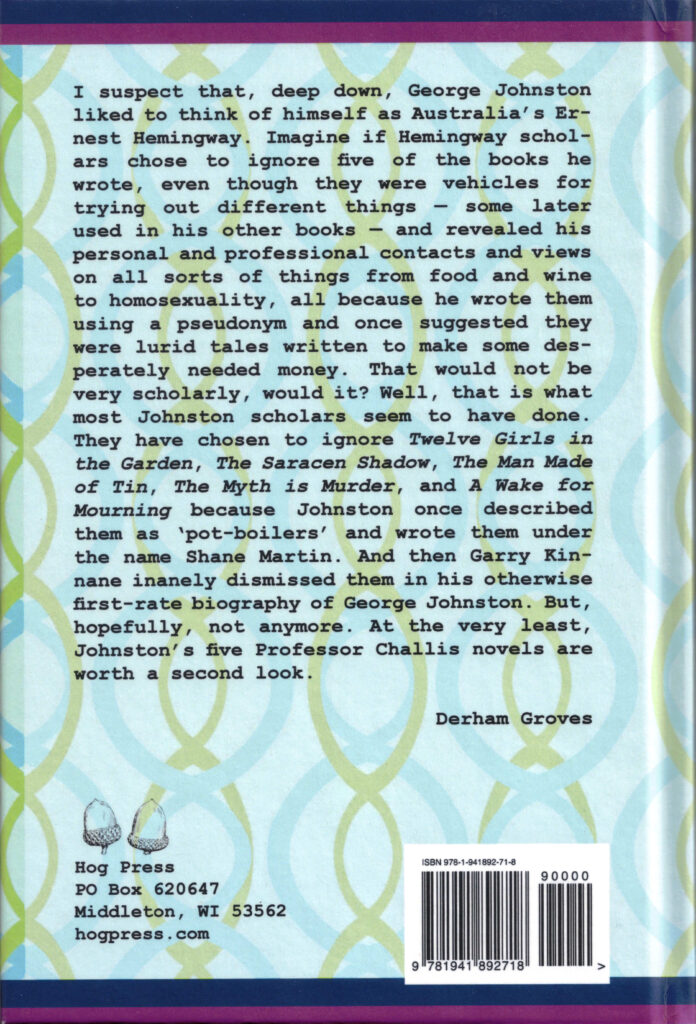
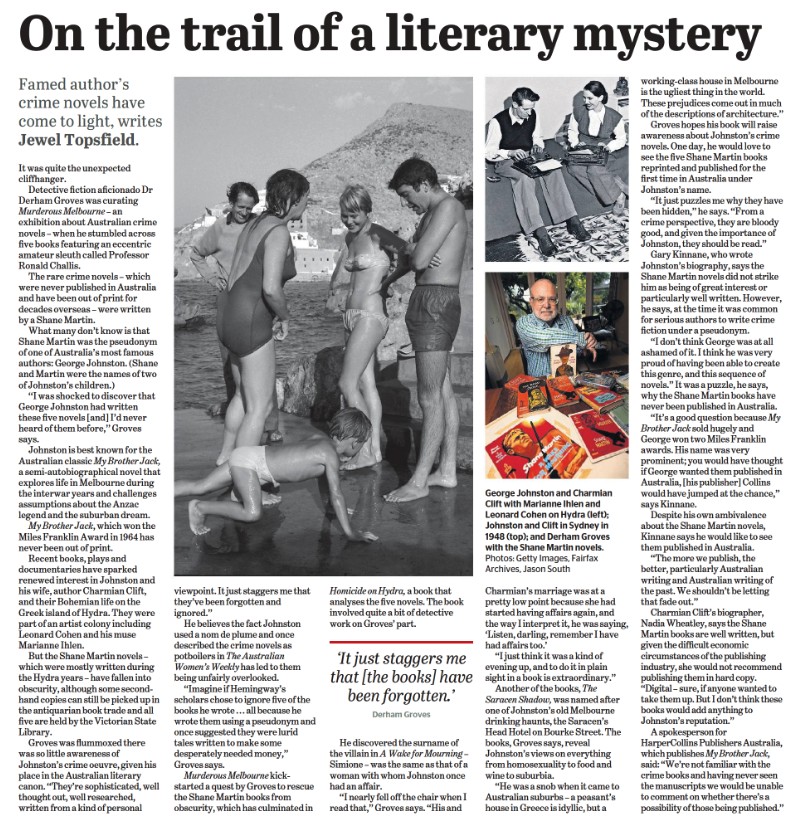
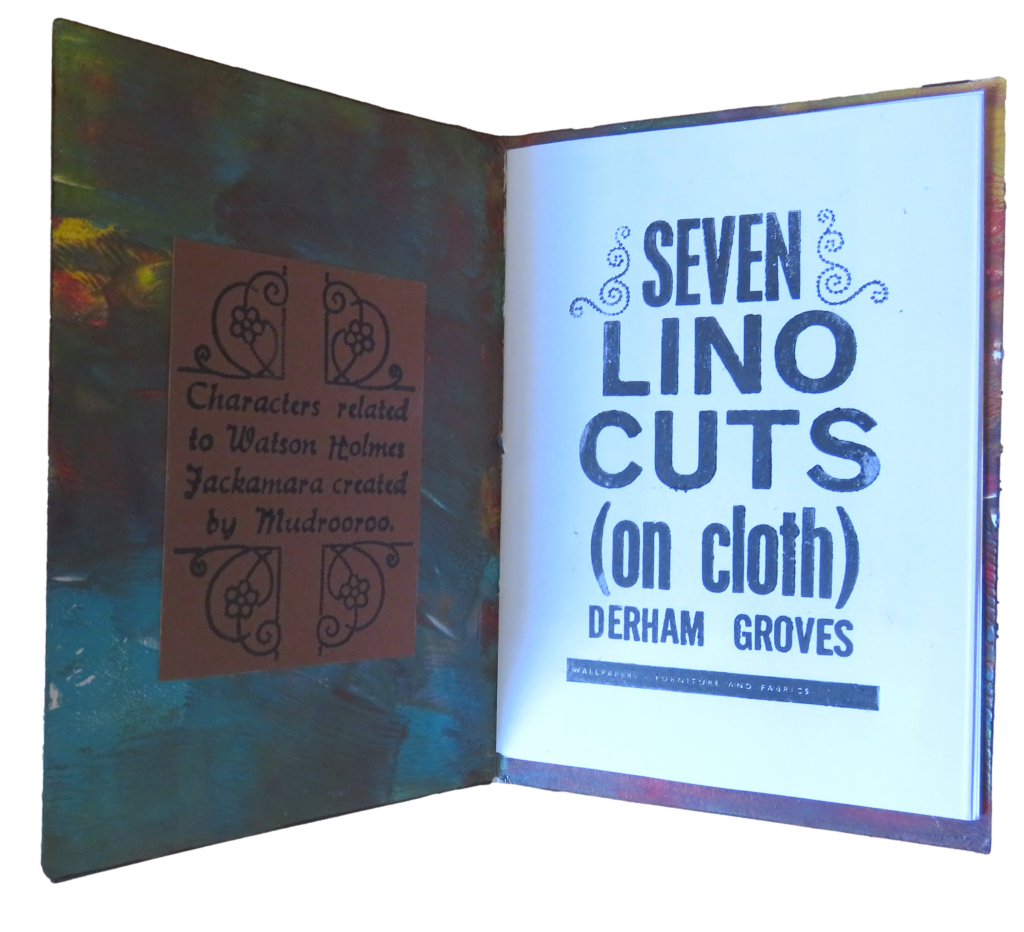
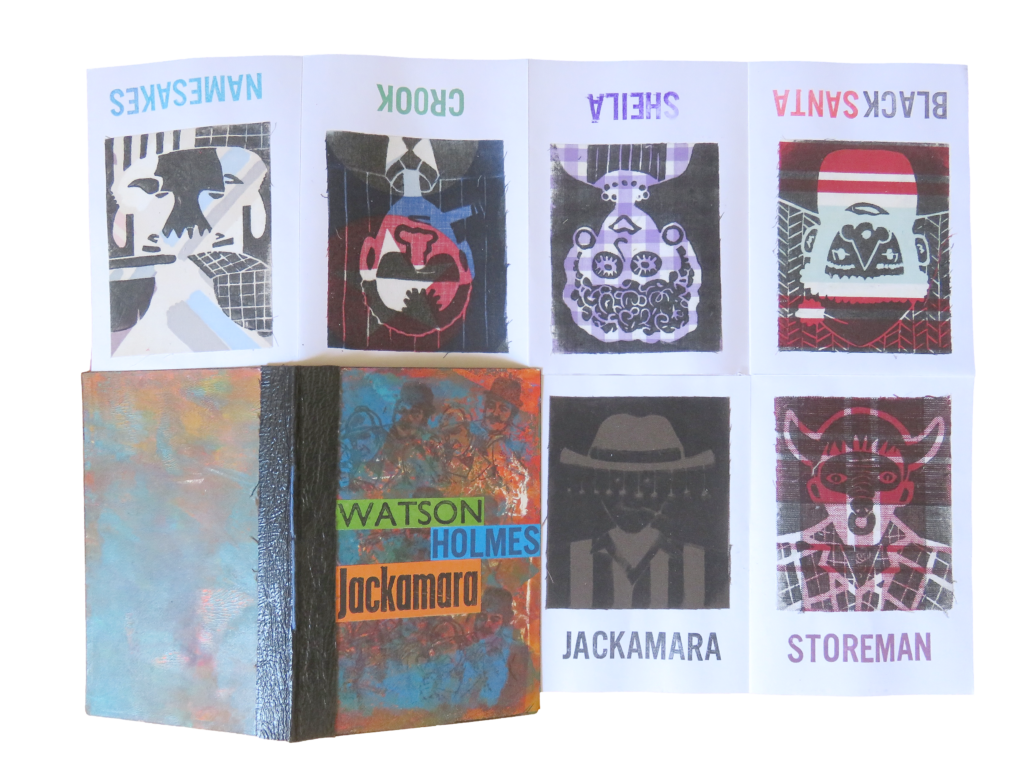
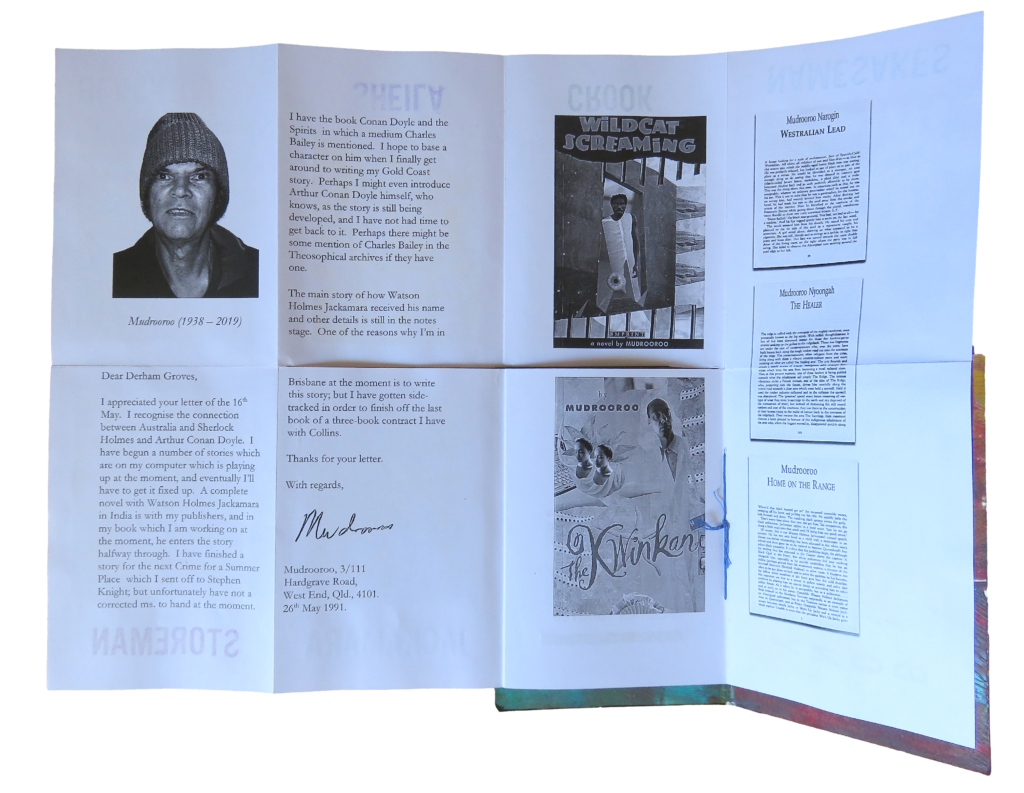
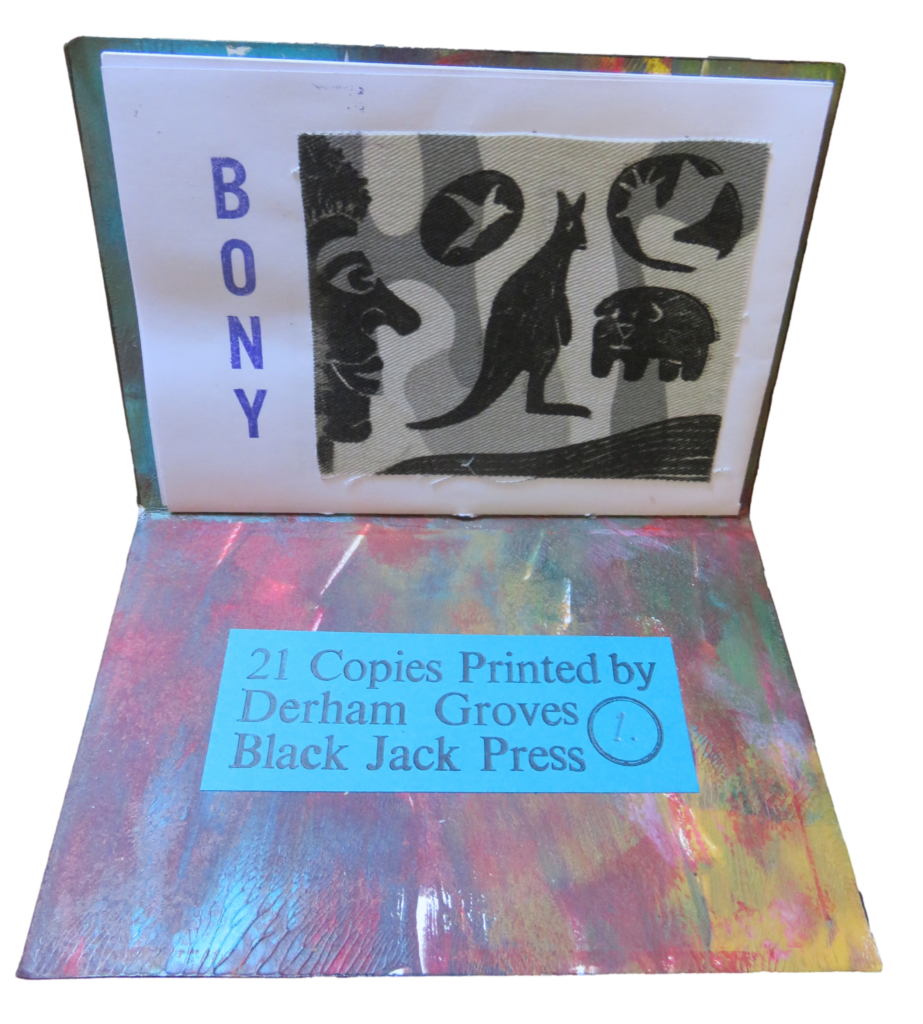
Written, printed letterpress, and hand bound by Derham (the Black Jack Press). The A3-sized broadside is folded and partially slit—a format sometimes called a “hamburger fold”—then saddle stitched to the spine. On one side of the folded sheet is the title page and the seven linocuts on cloth (made when I was an artist-in-residence at Bundanon), and tipped in later, with hand stamped titles. On the flip-side of the open sheet is a photocopied letter from Mudrooroo and information about the five Jackamara stories, all “hidden” when the paper is folded. Edition of 21 copies only.